
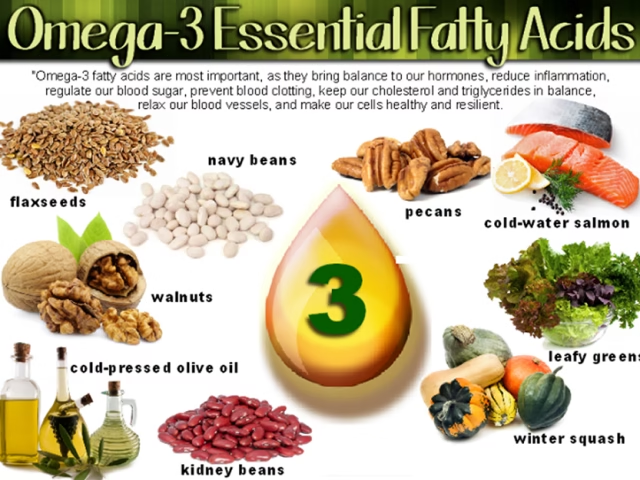
Introduction: The Power of Polyunsaturated Fats
Omega-3 fatty acids are a group of polyunsaturated fats (PUFAs) that are essential for human health. The body cannot produce these fats on its own, meaning they must be obtained through diet. These fats play crucial roles in building cell membranes throughout the body, including the brain and eyes, and are vital precursors for signaling molecules called eicosanoids, which are involved in regulating inflammation, blood clotting, and blood pressure.
The three most important types of omega-3s are:
- Eicosapentaenoic Acid (EPA): Primarily found in marine sources, known for its powerful anti-inflammatory properties.
- Docosahexaenoic Acid (DHA): Primarily found in marine sources, crucial for brain development and function, especially during infancy and aging.
- Alpha-Linolenic Acid (ALA): Found mainly in plant sources; it is a precursor that the body must convert into EPA and DHA, a process that is often inefficient.
Ensuring adequate intake of these essential fats is fundamental to preventing chronic diseases and promoting overall wellness.
The Profound Health Benefits of Omega-3s
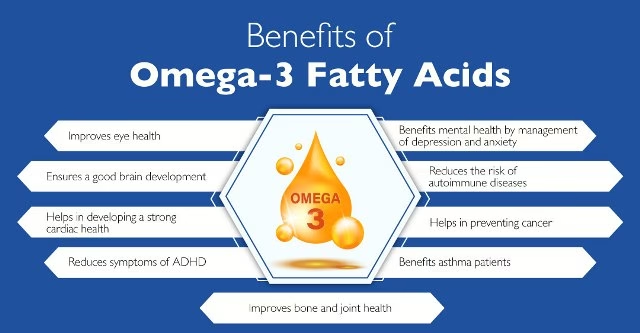
Omega-3 fatty acids are among the most studied nutritional components, yielding significant evidence for their wide-ranging health benefits:
- Cardiovascular Health: EPA and DHA can lower triglyceride levels, reduce blood pressure, slow the development of plaque in the arteries, and decrease the likelihood of heart attack and stroke. They are considered protective against heart disease.
- Brain Function and Mental Health: DHA is a major structural component of the cerebral cortex. Adequate intake is linked to improved cognitive function, better memory, and a reduced risk of age-related cognitive decline. Studies suggest omega-3s may also help mitigate symptoms of depression and anxiety.
- Vision and Eye Health: DHA is a key component of the retina. Consuming omega-3s can help prevent macular degeneration, a leading cause of permanent eye damage and blindness.
- Reduced Inflammation: Chronic inflammation is a driver of nearly every major disease. EPA, in particular, helps the body produce anti-inflammatory compounds, offering relief for conditions like rheumatoid arthritis and inflammatory bowel disease.
- Improved Joint Health: For those with inflammatory joint conditions, omega-3s can reduce joint pain and stiffness by lowering inflammatory markers.
- Maternal and Child Health: Omega-3s are crucial during pregnancy for the proper development of the baby’s brain and eyes. Supplementation during this time is often recommended.
The 7 Best Natural Sources of Omega-3 Fatty Acids
While many foods contain trace amounts of omega-3s, these seven sources stand out for their high concentration, bioavailability, and excellent nutritional profile.
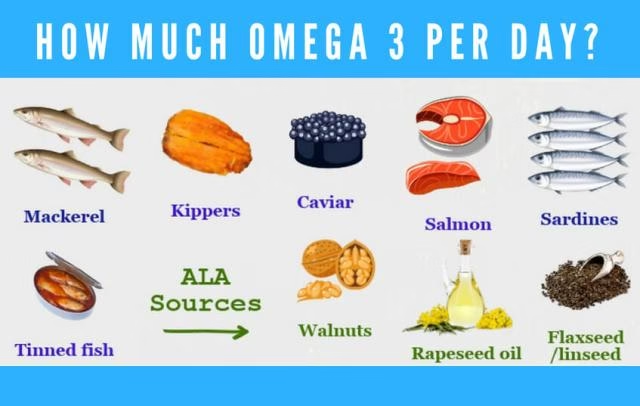
1. Fatty Fish (Salmon, Mackerel, Sardines)
Why they are the best: Fatty fish are the gold standard because they provide EPA and DHA directly, which are the biologically active forms of the fats.
- Salmon: An incredibly rich source, with a standard serving often providing over $1,500\text{ mg}$ of combined EPA and DHA. Wild-caught varieties often have higher concentrations than farmed, but both are excellent sources.
- Mackerel: Small, fatty fish that are high in omega-3s and low in contaminants like mercury. A single serving can provide over $2,500\text{ mg}$.
- Sardines: Another small, oily fish, often eaten whole (including bones, which are rich in calcium). They are very sustainable and offer around $1,500\text{ mg}$ of EPA/DHA per cup.
2. Cod Liver Oil
This is not a whole food but a highly concentrated supplement derived from the livers of cod.
- Key Advantage: A single teaspoon can provide well over $1,000\text{ mg}$ of combined EPA and DHA, and it is also an excellent source of essential fat-soluble vitamins, notably Vitamin D and Vitamin A.
- Use Case: Excellent for those needing a high dose of omega-3s and simultaneous vitamin D supplementation, especially in northern latitudes with limited sun exposure.
3. Flaxseeds (Ground)
Flaxseeds are the most common and concentrated plant source of ALA.
- Conversion Challenge: While a powerhouse, flaxseeds only provide ALA. The conversion rate of ALA to EPA and DHA in the human body is very low (often less than $5\%$ to EPA and less than $0.5\%$ to DHA).
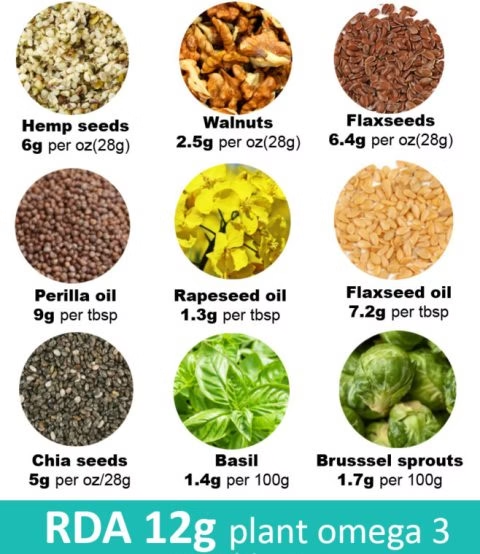
- Maximizing Benefits: They must be consumed ground, as whole flaxseeds often pass through the digestive system undigested. A tablespoon of ground flaxseeds provides about $2,350\text{ mg}$ of ALA.
4. Chia Seeds
Like flaxseeds, chia seeds are highly concentrated sources of ALA and are incredibly popular due to their versatility and fiber content.
- Nutritional Profile: Two tablespoons of chia seeds contain approximately $5,000\text{ mg}$ of ALA. They are also rich in fiber, protein, and various micronutrients like calcium and manganese.
- How to Use: They can be consumed whole or ground, as their structure allows for good digestion either way. They are great added to smoothies, yogurt, or as a base for chia pudding.
5. Walnuts
Walnuts are the most significant source of ALA among common nuts, offering both healthy fats and antioxidants.
- ALA Content: A one-ounce serving (about 14 halves) contains around $2,500\text{ mg}$ of ALA.
- Balanced Fats: They are an excellent way to balance the diet’s fatty acid ratio, but it is important to store them properly (in a refrigerator or freezer) to prevent the delicate omega-3 fats from becoming rancid.
6. Algae Oil
Algae oil is rapidly becoming one of the most important omega-3 supplements, particularly for plant-based diets.
- The Original Source: Fish don’t produce EPA and DHA; they accumulate it by eating microalgae. Algae oil is simply bypassing the fish and going straight to the source.
- Key Benefit: It provides high concentrations of pre-formed DHA (and sometimes EPA) without the need for conversion, making it the best non-animal source of the active forms of omega-3s.
7. Edamame (Soybeans)
Soybeans and related products like tofu and soybean oil contain a significant amount of ALA.
- High Protein Source: Edamame (immature soybeans) is a powerhouse of protein and fiber, and a single cup of boiled edamame can provide over $500\text{ mg}$ of ALA.
- Dietary Role: This source is valuable for vegetarians and vegans looking for a protein-rich food that also contributes meaningfully to their ALA intake.
Comparative Analysis: Natural vs. Artificial Sources
It is crucial to understand the difference between obtaining omega-3s from whole foods and fortified or supplemental sources.
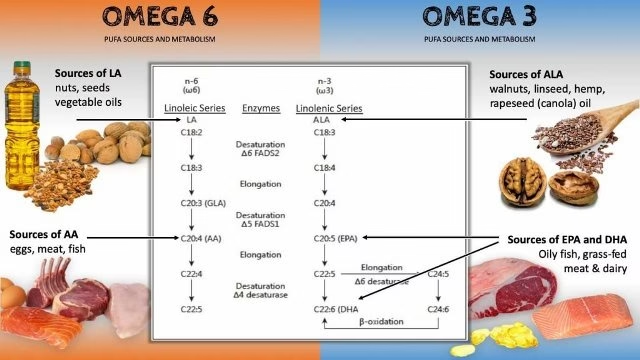
Table 1: Natural (Whole Food) Omega-3 Sources
| Source Category | Key Fatty Acid(s) Provided | Key Health Advantage | Recommended Intake Tip |
| Fatty Fish (Salmon, Mackerel) | EPA & DHA | Highest bioavailability; direct cardiac & cognitive benefits. | Consume 2-3 times per week. |
| Flaxseeds/Chia Seeds | ALA | High in fiber, lignans, and antioxidants; cholesterol reduction. | Grind flaxseeds; use in smoothies or yogurt. |
| Walnuts | ALA | Excellent source of monounsaturated fats and antioxidants. | Eat as a healthy snack or salad topping. |
| Algae Oil | DHA & (sometimes) EPA | Best plant-based direct source of active omega-3s. | Use as a primary supplement for vegans/vegetarians. |
Table 2: Fortified/Artificial Omega-3 Sources
| Source Category | Key Fatty Acid(s) Provided | Key Advantage | Key Consideration |
| Fish Oil Capsules | EPA & DHA | Highly concentrated, convenient, and easy to dose. | Check for third-party testing (e.g., IFOS) for purity. |
| Fortified Eggs | DHA | Easy way to incorporate active omega-3s into breakfast. | Content can vary greatly depending on the feed of the chicken. |
| Fortified Milk/Juices | DHA/ALA | Appeals to general population; easy distribution. | Omega-3 content is often low and may be ALA-based. |
| Krill Oil | EPA & DHA | Highly absorbable due to phospholipid form; contains astaxanthin. | More expensive than traditional fish oil; may have a slight seafood aftertaste. |
Key Takeaways for Optimal Omega-3 Intake
- Prioritize EPA and DHA: While ALA from plant sources is important, the body’s conversion is inefficient. The most direct and powerful health benefits come from consuming pre-formed EPA and DHA, primarily found in fatty fish and algae.
- Aim for Variety: Combining marine sources (fish/algae) for EPA/DHA with plant sources (flax/chia/walnuts) for ALA ensures a comprehensive intake of all three essential fatty acids.
- Mind the Ratio: Omega-3s compete with omega-6 fatty acids (found commonly in vegetable oils like corn and soy) for the same enzymes. A lower omega-6 to omega-3 ratio is critical for managing inflammation. Aim to reduce highly processed foods high in omega-6s.
- Consider Supplements Wisely: If you do not consume fatty fish regularly (at least twice a week), a quality fish oil or algae oil supplement is highly recommended to ensure adequate intake, especially for pregnant individuals and those with existing cardiovascular concerns. Always look for supplements that have been purified to remove potential contaminants.
Conclusion: Fueling Your Body with Essential Fats
Omega-3 fatty acids are fundamental pillars of a healthy diet, offering unparalleled benefits for the heart, brain, and immune system. By consciously incorporating the seven best sources—especially fatty fish and the plant-based options like flaxseeds, chia seeds, and algae oil—into your weekly meal plan, you take a proactive and powerful step toward mitigating chronic disease risk and supporting long-term optimal health.
Frequently Asked Questions (FAQs)
Q1: What is the recommended daily intake of Omega-3s?
The recommended daily intake of combined EPA and DHA varies, but most health organizations suggest a minimum of $250-500\text{ mg}$ per day for healthy adults. For specific conditions (like high triglycerides), a doctor may recommend therapeutic doses of up to $2,000-4,000\text{ mg}$ per day.
Q2: Is there a concern about mercury in fish sources?
For high-EPA/DHA fish like salmon and sardines, mercury is generally not a concern because these fish are lower on the food chain. Larger, longer-lived fish like king mackerel, swordfish, and shark accumulate more mercury and should be consumed sparingly, especially by pregnant women and young children.
Q3: How do I know if my omega-3 supplement is high quality?
Look for supplements that provide a high concentration of EPA and DHA per serving and have been tested by a third-party organization (like IFOS – International Fish Oil Standards). This certification ensures purity, potency, and freedom from contaminants like heavy metals and PCBs.
Q4: Are flaxseeds or chia seeds better for Omega-3s?
Both are excellent sources of ALA, but chia seeds generally contain a slightly higher concentration of ALA per serving. The best choice depends on your preference, as both offer high amounts of fiber and other nutrients.
Q5: Can I get enough Omega-3s from a vegan or vegetarian diet?
Yes, but it requires strategy. Since the conversion of ALA to EPA/DHA is inefficient, vegans and vegetarians should consume high-ALA foods daily (flax, chia, walnuts) and must supplement with algae oil to ensure adequate intake of pre-formed DHA (and ideally, EPA).
Q6: Do cooking methods affect the Omega-3 content of fish?
Yes, high-heat or prolonged cooking methods like frying can damage omega-3 fats. Baking, grilling, or light steaming are preferable, as they help retain the maximum amount of these heat-sensitive fatty acids.
Q7: Should I take Omega-3s if I take blood thinners?
Omega-3s, especially in high supplemental doses, can have a mild blood-thinning effect. If you are taking anticoagulant medications (like warfarin or aspirin), you must consult your physician before beginning high-dose omega-3 supplementation.
References
- Kris-Etherton, P. M., Harris, W. S., & Appel, L. J. (2002). Omega-3 fatty acids and cardiovascular disease: new recommendations from the American Heart Association. Arteriosclerosis, Thrombosis, and Vascular Biology, 22(1), 154-162.
- Innes, J. K., & Calder, P. C. (2018). Omega-6, omega-3 polyunsaturated fatty acids and the cardiovascular system. International Journal of Molecular Sciences, 19(1), 173.
- Swanson, D., Block, R., & Mousa, S. A. (2012). Omega-3 fatty acids EPA and DHA: health benefits throughout life. Advances in Nutrition, 3(1), 1-7.
- Simopoulos, A. P. (2002). The importance of the ratio of omega-6/omega-3 essential fatty acids. Biomedicine & Pharmacotherapy, 56(8), 365-379.
- U.S. Department of Agriculture (USDA) FoodData Central. (Various entries for salmon, flaxseed, walnuts, etc.).
- Saini, R. K., Keum, Y. S., & Daglia, M. (2020). Health benefits of bioactive compounds from Nannochloropsis microalgae in combating chronic diseases. Marine Drugs, 18(2), 118.
Please let me know if you’re looking for a writer for your weblog. You have some really good posts and I believe I would be a good asset. If you ever want to take some of the load off, I’d absolutely love to write some content for your blog in exchange for a link back to mine. Please shoot me an e-mail if interested. Thank you!
How are you?